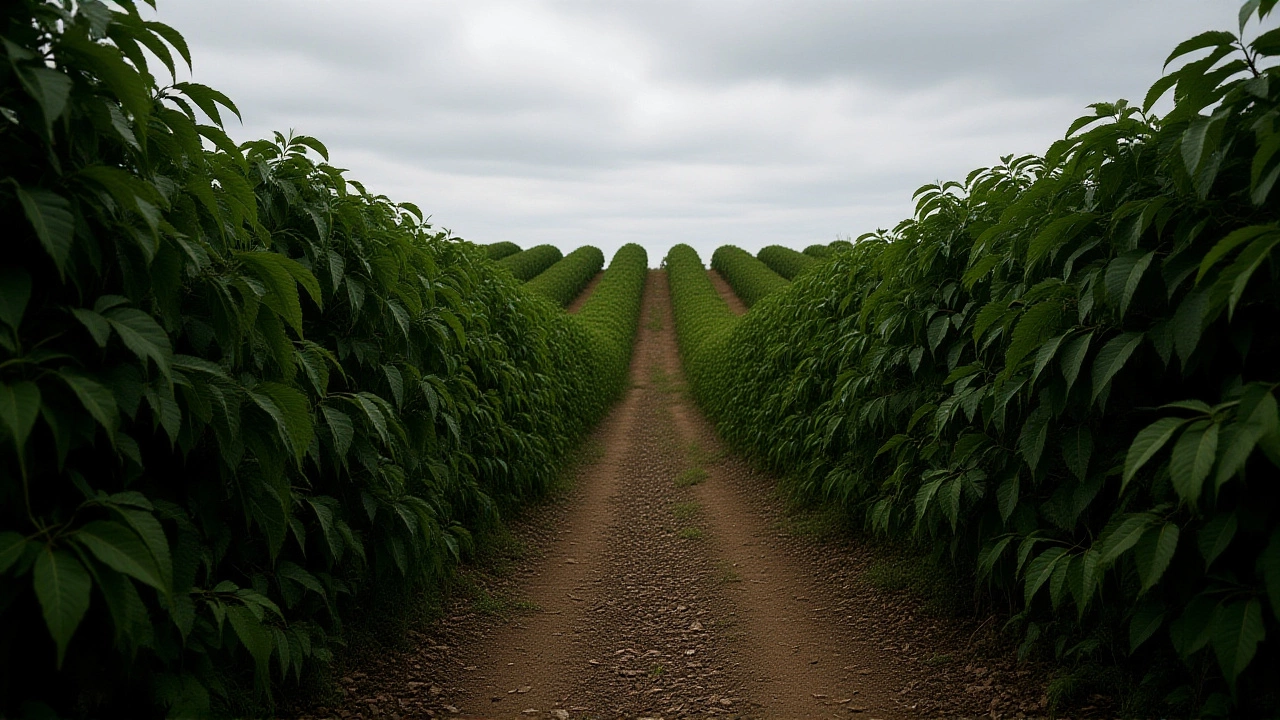
Here’s the thing about the global coffee market right now: it’s a tug-of-war between abundance and anxiety. On one side, Brazil is poised to export a record volume of beans this coming year. On the other, traders are nervously eyeing the sky, worried that the El Niño weather pattern could wreck the next harvest before it even begins.
The news broke on May 20, 2026, when reports surfaced that major trading firms expect Brazil’s coffee shipments to hit all-time highs in the new crop year starting in July. But wait—there’s a catch. While the current stockpile is massive, the future depends entirely on whether nature cooperates with the country’s critical flowering season later this year.
A Bumper Crop on the Horizon
Let’s look at the numbers, because they’re impressive. According to projections released by the Coffee Trading Academy on May 7, Brazil’s 2026/27 coffee harvest is expected to surge by 12% compared to the previous year. That puts total output at a staggering 71.4 million bags.
To put that in perspective, that’s not just a good year; it’s potentially the best year in history for Brazilian coffee production. An executive from EISA, the Brazilian arm of global soft commodities trader ECOM, confirmed this outlook recently. Speaking on a Wednesday prior to the May 20 report, the executive stated that Brazil would export a record volume of coffee in the new crop year, driven by what they described as "likely all-time-high coffee production."
This isn’t just guesswork. The sheer scale of the current harvest has already begun to influence prices. ADM Investor Services noted that coffee prices had "steadied near recent lows" as traders digested the reality of a massive supply glut. When you have that much product hitting the market, gravity tends to pull prices down—or at least keep them from soaring.
The El Nino Wildcard
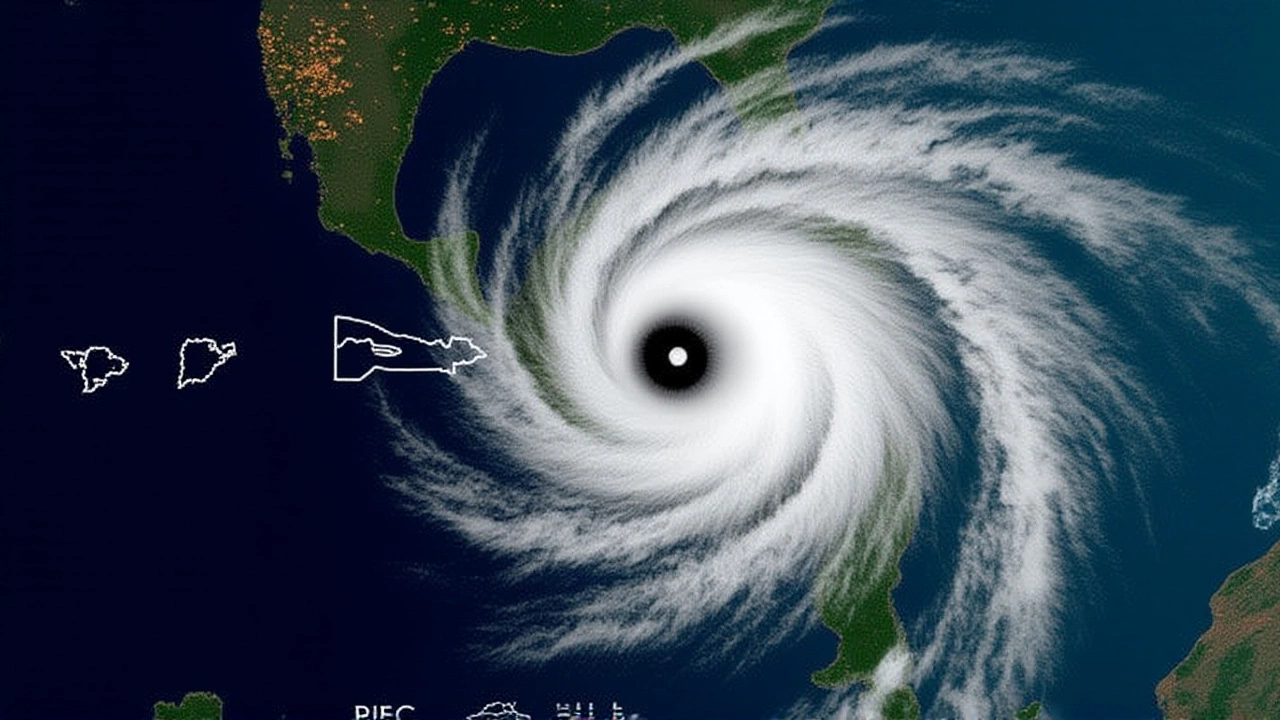
But here’s where the story gets complicated. You can’t talk about Brazilian coffee without talking about the weather, and right now, the weather forecast is raising red flags. The same day the export records were being celebrated, fears about El Niño were pushing coffee futures higher through a process called short covering.
For those who don’t trade futures, short covering happens when investors who bet against price increases (short sellers) rush to buy back their positions to cut losses. Why? Because they got scared. Specifically, they’re worried about the 2026/27 crop cycle.
A source identified as "Coffee trade Commercial" warned that El Niño may delay crucial rains in Brazil during September and October. These aren’t just any months—they are when coffee trees normally flower. If the rain doesn’t come when it should, or if it comes too late, the flowering process gets disrupted. No flowers means no beans. And if the 2026/27 crop suffers, that record export prediction becomes a moot point.
Market Volatility and Price Signals
The result? A market caught in its own contradictions. On one hand, you have the physical reality of a huge existing harvest keeping spot prices low. On the other, you have financial markets pricing in risk for the future, causing futures contracts to spike.
This divergence creates a volatile environment. Traders are essentially betting on two different outcomes simultaneously: immediate abundance versus potential future scarcity. It’s a high-stakes game of chicken with Mother Nature.
Interestingly, this mirrors patterns seen in previous years when weather anomalies threatened South American agriculture. In 2023, similar concerns about drought conditions led to significant price swings, reminding everyone how fragile the supply chain really is despite Brazil’s dominance in production.

What This Means for Your Morning Cup
So, why should you care? Well, if the El Niño fears materialize and damage the 2026/27 crop, expect your morning latte to get noticeably more expensive by late 2026 or early 2027. Conversely, if the rains hold up and the record harvest continues into next year, we might see some of the cheapest coffee in decades.
For now, the industry is holding its breath. The next few months will be critical. Meteorologists will be closely monitoring Pacific Ocean temperatures, while agronomists in Minas Gerais and Espírito Santo will be watching their fields like hawks. Until then, enjoy that cup—it might be part of a historic surplus, or it might be the last cheap one for a while.
Frequently Asked Questions
Why is Brazil expecting record coffee exports?
Brazil is projected to export record volumes due to an exceptionally large current harvest. The Coffee Trading Academy forecasts a 12% increase in the 2026/27 crop, reaching 71.4 million bags. Executives at EISA attribute this to likely all-time-high production levels, which will translate directly into increased export capacity starting in July.
How does El Niño affect coffee production?
El Niño can disrupt rainfall patterns in Brazil, particularly during September and October. This period is critical for coffee tree flowering. Delayed or insufficient rains during this window can reduce pollination success, leading to a smaller subsequent harvest. This risk has caused volatility in coffee futures as traders hedge against potential crop failure.
What is short covering in coffee futures?
Short covering occurs when investors who previously sold coffee futures contracts (betting prices would fall) buy them back to close their positions. This buying pressure drives prices up. In this context, short covering was triggered by fears that El Niño might damage future crops, forcing bearish traders to exit their bets quickly.
Who is EISA and what role do they play?
EISA is the Brazilian subsidiary of ECOM, a global soft commodities trader. They provide key insights into local production and export logistics. An EISA executive recently confirmed expectations for record exports, citing robust production data. Their assessments are influential in shaping market sentiment regarding Brazil’s supply capabilities.
When does the new coffee crop year begin?
The new coffee crop year typically begins in July. This is when the majority of the newly harvested beans start entering the international export pipeline. The timing aligns with the end of the main harvest season in Brazil, allowing for the processing and shipping of green coffee beans to global markets.
 Sports and Events